Guide
How Long Does 3D Rendering Take?
A typical set of CGIs takes 5–7 business days from an approved brief to finals, assuming mark-ups come back within a day of each draft. Rush delivery takes 48–72 hours (rush surcharge applies), and virtual staging of a photographed room usually comes back in 24–48 hours.
Those are working figures rather than promises made to win a job, and the difference between a project that lands on time and one that drifts is almost always in the brief and the feedback, not the rendering itself. This guide sets out what each deliverable usually takes, what slows a job down and how to plan backwards from a launch or a committee date.

Written by Shrey Agarwal, Founder & Studio Director at Build3DRender
Published 25 October 2026
Still images: how a typical set is scheduled
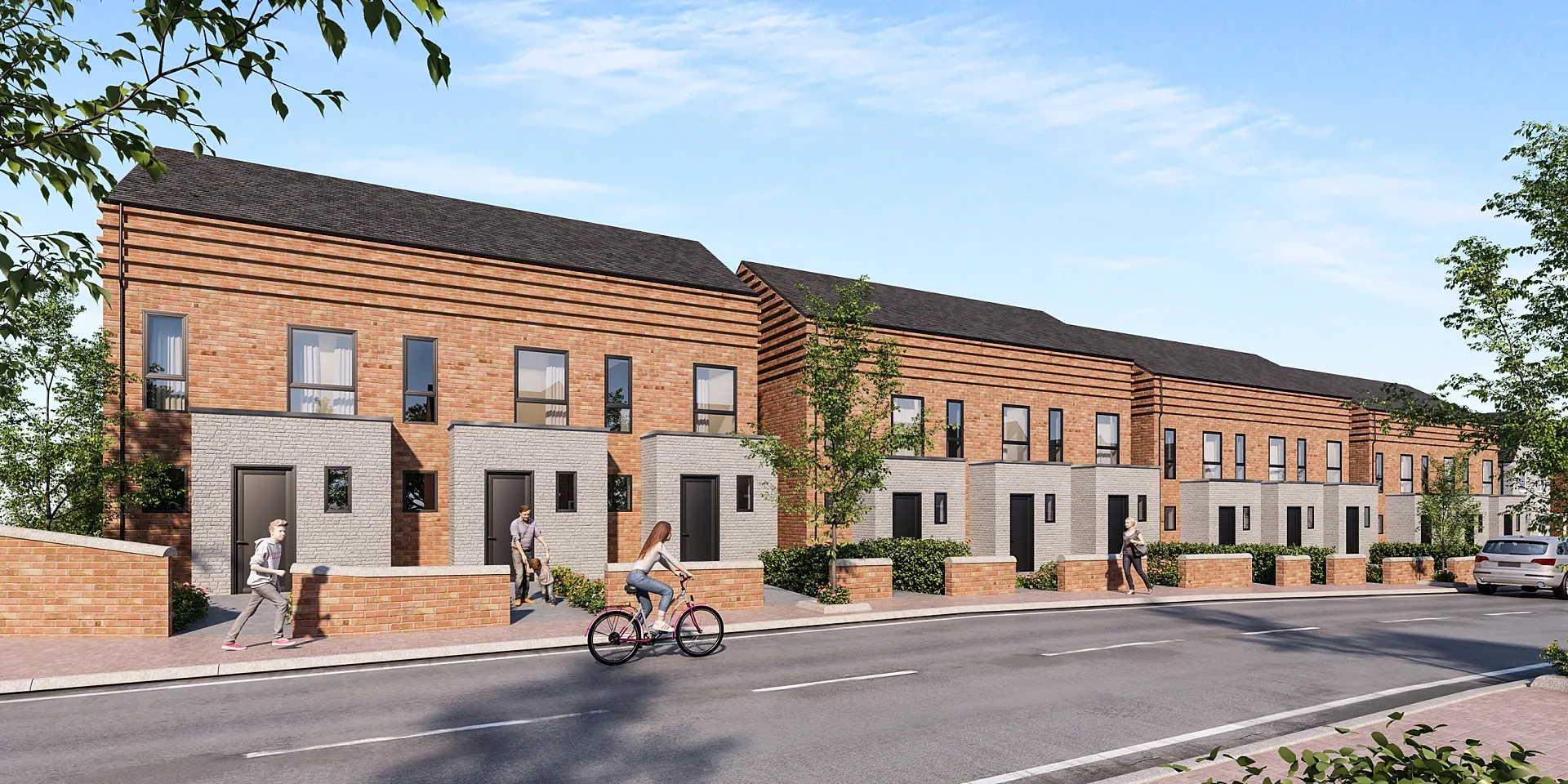
For a set of exterior and interior stills, the 5–7 business days divide up roughly as follows, assuming mark-ups come back within a day of each draft. Larger schemes, such as a long street of housetypes or a site-wide aerial, take longer, and the quote states the date in writing before work starts.
- Day one: the brief and drawings are checked, gaps are flagged and the fixed quote and delivery date are confirmed.
- Days one to three: the building, the site and its surroundings are modelled, then materials and lighting are applied.
- Around day three: a draft render with materials and lighting close to final arrives for your mark-ups.
- Days four to six: revisions of your mark-ups, one consolidated round at a time.
- Final day: high-resolution rendering and post-production. Finals at 4K.
When rush delivery is realistic
Rush delivery takes 48–72 hours (rush surcharge applies). It works for one to three stills of a house, a flat interior or a single elevation, when the drawings and finishes are complete on day one and someone can approve the draft within hours rather than days.
It does not work for an aerial over a large site, a long street scene or a film, because modelling and rendering time cannot be squeezed that far without the quality showing it. If a deadline is tight, mention the date in the first enquiry. It is often possible to deliver one priority view early and the rest of the set on the standard timeline, which covers most press releases and portal launches. A rush surcharge reflects that the job jumps the queue, and the quote states it before you commit.
Virtual staging, floor plans and animation
Virtual staging of an empty room that has already been photographed is the quickest job we do, usually 24–48 hours, because there is no building to model, only furniture to place and light to match to the photograph.
Floor plans are also quick. A furnished single-level plan normally comes back well inside the stills timeline, while multi-storey houses or a range of apartment types take a little longer, and the quote gives the exact date.
Architectural animation is the longest deliverable. A short film typically takes two to three weeks across three stages: a storyboard and camera path for approval, previews with materials applied to check pace and framing, then the final render, edit and music. Treat that as a typical range rather than a fixed promise, since it depends on the length of the film and on how quickly each stage is signed off.
Photomontages depend on your photographs
Photomontages and verified views take longer than standard CGIs because each one has to be matched to a real photograph, not modelled alone. You photograph each viewpoint and note where you stood, the lens and the time, we align the camera in the model to features visible in the frame, and the quality of those photographs usually sets the pace of the whole job.
Weather, access to private land and the season all affect when photography can happen; a scheme assessed in winter, when trees are bare, looks different from the same view in full leaf. If the authority asks for survey-verifiable views, the survey is yours to commission and its date then sets the programme, and the method is documented alongside the images so the planning authority can see how each one was made. Once usable photographs are in hand, modelling and rendering follow a timeline much closer to standard stills.
What slows a job down
Almost every late delivery has one of five causes, and all of them are visible at the briefing stage; our briefing guide shows how to head each one off before the job starts.
- Late drawings: modelling cannot finish while a section or a landscape plan is still to come.
- Unspecified finishes: a vague material becomes a revision once the right product is named.
- Design changes after the draft: moving an opening or changing a roof means remodelling, which is scoped and scheduled separately.
- Scattered mark-ups: comments arriving from several people over several days, sometimes contradicting each other, stall a round until someone reconciles them.
- Slow sign-off: each day a draft waits for comments is a day added to the end date.
Planning backwards from a launch or committee date
Start from the fixed date and count back. For an off-plan launch, the marketing agency usually needs images some weeks before the campaign goes live to lay out the brochure, website and hoarding, so agree that lead time with the agency first. Add the rendering time, then a margin for finishes decisions that are still open. In practice, the time to brief is the moment the specification is locked, not the day the agency asks for pictures.
For a planning application, the visuals go in with the submission, so they need to be finished before the application is made rather than before the committee meets. The standard period for a decision is 13 weeks for major development and 8 weeks for other development, or 16 weeks where an Environmental Impact Assessment applies, and longer periods can be agreed in writing. If the scheme is likely to go to a planning committee, leave room after submission for a request for an extra view or a presentation version.
How revisions fit inside the timeline
Revisions are built into the schedule rather than added after it. Every image includes up to 4 revision rounds, and the 5–7 business days figure already allows for them, assuming mark-ups come back within a day of each draft. Changes to colour, planting, styling or sky are usually quick to turn round. Camera adjustments belong in the first round, which is why the first draft already carries materials and lighting. Anything that changes the design itself is scoped before work continues, so the end date stays honest. The quickest projects are the ones where the approver blocks out time on the day each draft is due.
Looking for prices? Every published figure is on one page: 3D rendering cost in the UK.
Questions
Frequently asked questions
5–7 business days for a typical set of stills, from an approved brief to finals, assuming mark-ups come back within a day of each draft. That includes a draft render with materials and lighting close to final and the revision rounds. Larger schemes, aerials and animation take longer, and the quote always states the delivery date.
A single exterior or interior view runs on much the same timeline as a small set, because modelling, materials and the draft stage are needed either way. Where the drawings are complete and feedback is quick, one image can often be finished towards the shorter end of the standard range.
Sometimes. Rush delivery takes 48–72 hours (rush surcharge applies) and suits one to three straightforward stills with a complete brief and an approver who can respond within hours. It is not realistic for large aerials, long street scenes or animation.
Typically two to three weeks for a short film, across storyboard and camera path approval, previews with materials applied, and the final render, edit and music. It is a typical range rather than a guarantee, and it is shorter when the model already exists from a stills commission.
Usually 24–48 hours from receiving the photographs, because there is no building to model. Sharp, well-lit photographs of the empty rooms, taken from the corners with the camera level, keep it at the shorter end of that range. Furniture style and any items to remove are best noted in the brief.
Longer than standard CGIs, because each view is matched to a site photograph before the scheme is composited into it. When your photographs are taken, the weather, the season and, if the authority wants survey-verifiable views, the survey you commission usually decide the programme, which we set out once the viewpoints are agreed with your planning consultant.
Scattered feedback, more than anything else. Comments that arrive from several people over several days, or that contradict each other, stall a revision round. Late drawings, unspecified finishes and design changes after the draft are the other common causes, and all of them are avoidable at the briefing stage.
As soon as the specification is locked. Work back from the launch date: the marketing agency's lead time for the brochure, website and hoarding, then the rendering time, then a margin for decisions still open. Briefing when the agency first asks for images usually leaves too little room.
Services
Commission a render
Property CGI
Property CGIs for UK developers and build-to-rent: exterior, interior and aerial CGIs for brochures, portals and hoardings.
from £225 per image
3D Interior Rendering
3D interior rendering for interior designers, developers and show homes.
from £225 per image
3D Exterior Rendering
3D exterior rendering for UK developers and architects: street-level, aerial and masterplan CGIs from £295.
from £295 per image
Verified Views
Verified views and photomontages for UK planning applications, built from your site photographs to a documented method.
from Fixed quote per project
Architectural Animation
Architectural animation, walkthroughs and CGI flythroughs for UK developments, from £45 per second (30-second minimum).
from £45 per second (30-second minimum)
3D Floor Plans
Rendered 3D floor plans for UK developers, estate agents and brochures.
from £395 per plan
Housetype CGI
Housetype CGIs for UK housebuilders: one model per house type, rendered across elevations, materials and plots.
from £295 per view
3D Product Rendering
3D product rendering and furniture CGI for UK brands: white-background, lifestyle and room-set images from CAD or photos.
from Fixed quote per image
Kitchen CGI
Kitchen, bathroom and bedroom CGIs for UK KBB brands and retailers: brochure room sets, door-range variants and lifestyle images from £225 per image.
from £225 per image
Commercial 3D Rendering
Commercial 3D rendering for offices, retail, hospitality, student accommodation and logistics schemes.
from £295 per image
Virtual Staging
Virtual staging for UK estate agents, landlords and build-to-rent: empty rooms furnished by 3D artists, not AI filters.
from £95 per room
More guides
Keep reading
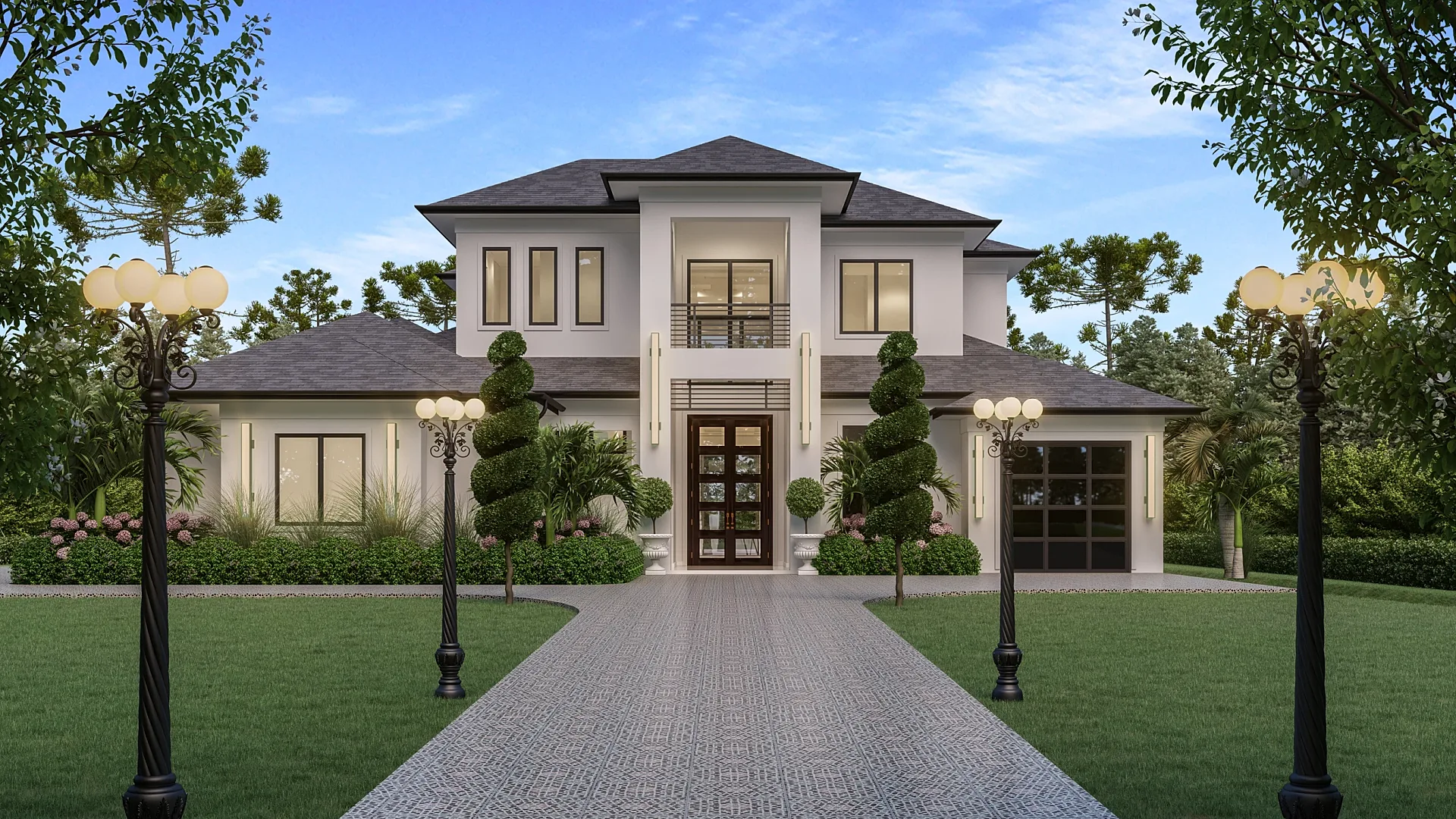
What Is 3D Rendering?
What 3D rendering is, how a CGI is made from drawings, how it differs from a photo or an AI image, and when a UK project needs one.
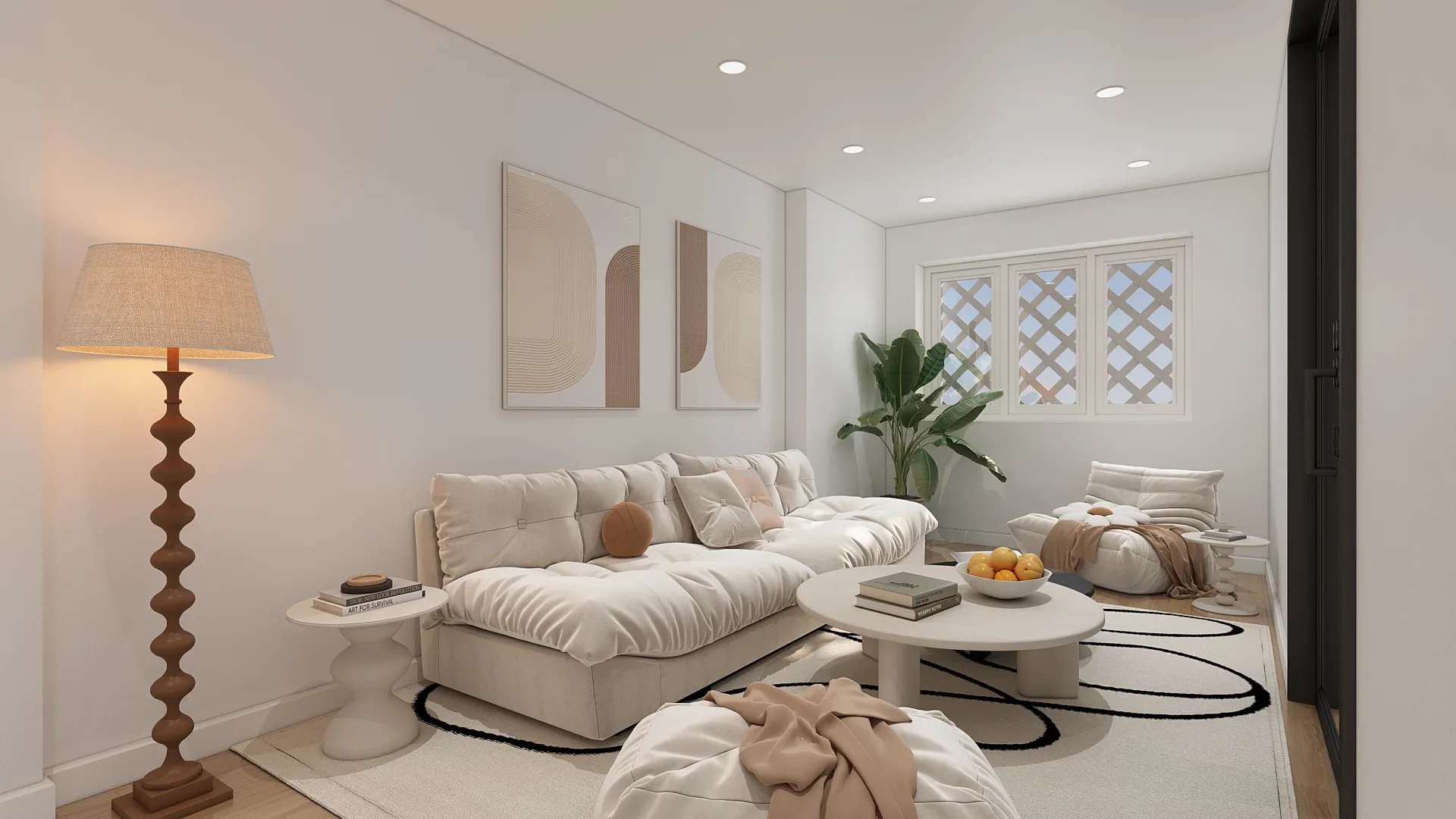
How to Brief a 3D Render
A one-page checklist for briefing a CGI: drawings, CAD formats, materials, camera views, mark-up rules and the questions a UK studio will ask.
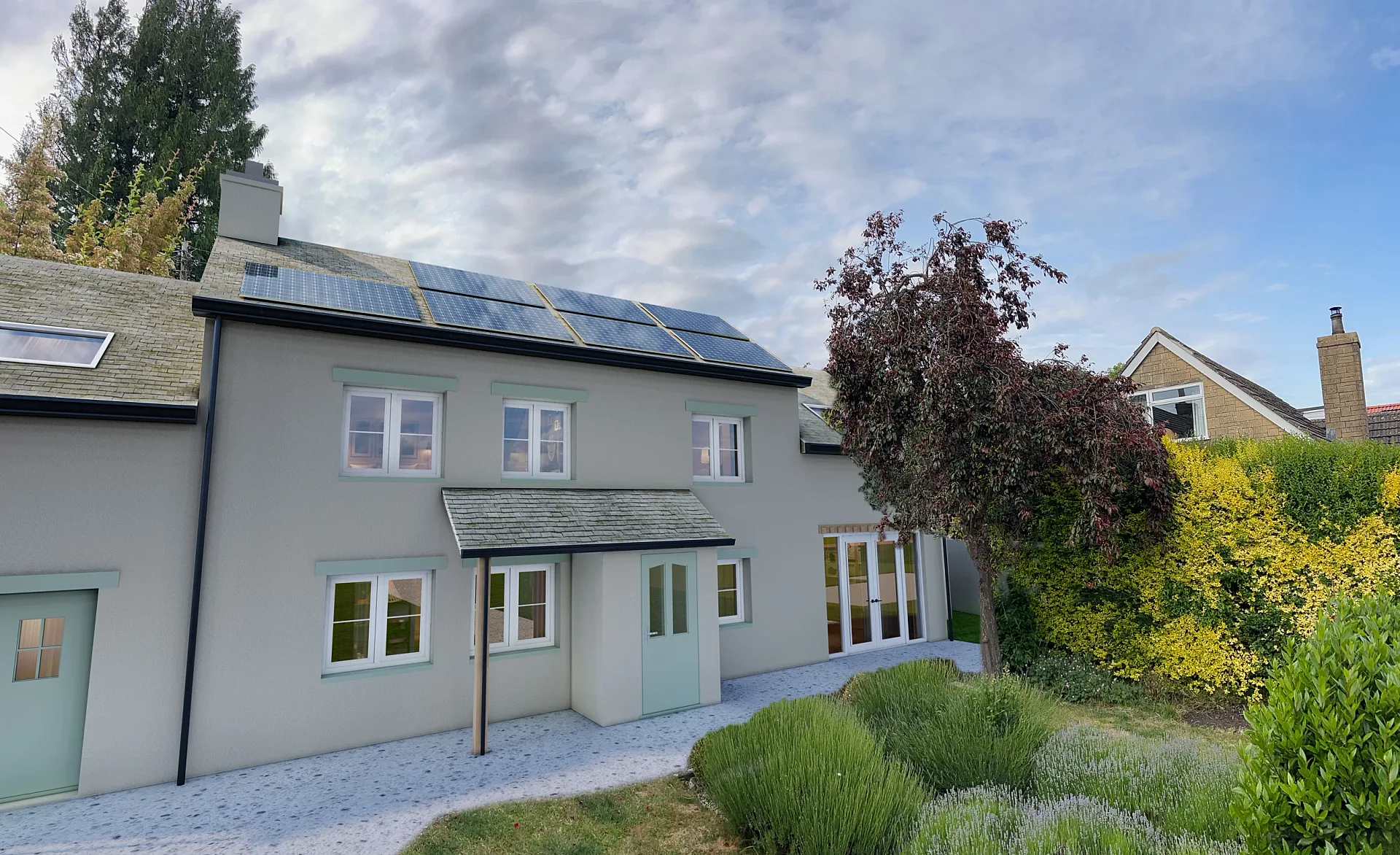
CGIs for Planning Applications: What UK Planning Authorities Expect
How CGIs, photomontages and verified views support a UK planning application: Design and Access Statements, committee presentations and TGN 06/19.
Off-Plan Marketing with CGI: A Developer's Guide
How UK developers sell off-plan with CGIs, floor plans and animation: what to commission at each stage, from planning through launch to completion.
Get a fixed quote within one business day
Send us your plans, elevations or even a sketch. Exterior renders from £295, interiors from £225, delivered in 5–7 business days.