3D rendering service
Virtual Staging for Estate Agents and Landlords
From £95 per room · 24–48 hours · up to 4 revision rounds
Virtual staging furnishes empty rooms in your listing photographs so buyers and tenants can see how the space lives. Our 3D artists place correctly scaled furniture, rugs, lighting and accessories into each photograph, matched to its perspective and to the daylight already in the room, from £95 per room with the first staged images back in 24–48 hours. Estate agents use it for vacant sales and probate properties, landlords for flats between tenancies, and build-to-rent operators for whole buildings of apartments let by layout.
It is not an AI filter. Automated tools are improving and have their uses, but we stage every room by hand, because a person can check that the sofa actually fits the wall it sits against, that shadows fall the way the daylight does, and that the windows, flooring and fittings in your photograph stay exactly as they are. That last point matters most, because a listing photograph has to show the property as it is.
- Starting price
- £95 per room
- Turnaround
- 24–48 hours
- Revisions
- Up to 4 rounds included
- You send
- Photographs of the rooms and a style reference
From photograph to listing: how virtual staging works
You send photographs of the empty rooms and tell us who the property is aimed at. We agree one furnishing style for the whole home, so the living room, bedrooms and dining area read as a single household rather than a collection of unrelated sets. An artist then builds the furniture in 3D, matches the virtual camera to your lens and shooting height, and lights each piece with the daylight already in the photograph, so shadows and reflections land where they would in real life. Every room is checked against the others before delivery, so the same rug never turns up twice and the light in each image belongs to the same time of day.
The first staged images come back within 24–48 hours. You review them and mark up anything you would like changed, from the colour of a sofa to a smaller bed, and we revise. Up to 4 revision rounds are included, assuming mark-ups come back within a day of each draft. Finals are delivered at the sizes you need for the portals, printed particulars and your own website, together with the original empty photographs, which we suggest keeping in the listing alongside the staged versions.
What to send: photographs that stage well
Virtual staging can only be as good as the photograph underneath it. The best results come from wide, level shots taken at a consistent height, usually around chest height on a tripod, with the camera held straight so that door frames, window edges and corners stay vertical. Converging verticals make furniture look as though it is tipping over, and correcting them afterwards crops away part of the room. Phone photographs can work if they are taken in good light on the wide lens, though a dedicated camera with a wide-angle lens holds cleaner detail in the shadows.
- Shoot each room from a corner or doorway to show as much floor as possible.
- Keep the camera level and at the same height in every room.
- Switch the lights on and open the blinds so the room is evenly lit.
- Send the largest file the camera produces, not a compressed portal image.
- Tell us about anything that must stay in shot, such as fitted wardrobes or furniture included in a letting.
Photographs already taken?
Send them anyway. We will tell you honestly which rooms will stage well and which would benefit from a reshoot before you commit to anything.
Decluttering, furniture removal and part-furnished rooms
Not every room arrives empty. Occupied homes, probate properties and flats left by a previous tenant often contain furniture that makes a room look smaller or dated. We can remove some or all of it digitally, rebuild the floor and walls behind it from the surrounding detail, and then stage the room afresh. Smaller clean-ups, such as clearing worktops, taking out bins, cables and personal items, or tidying a garden, can be added to any staging order.
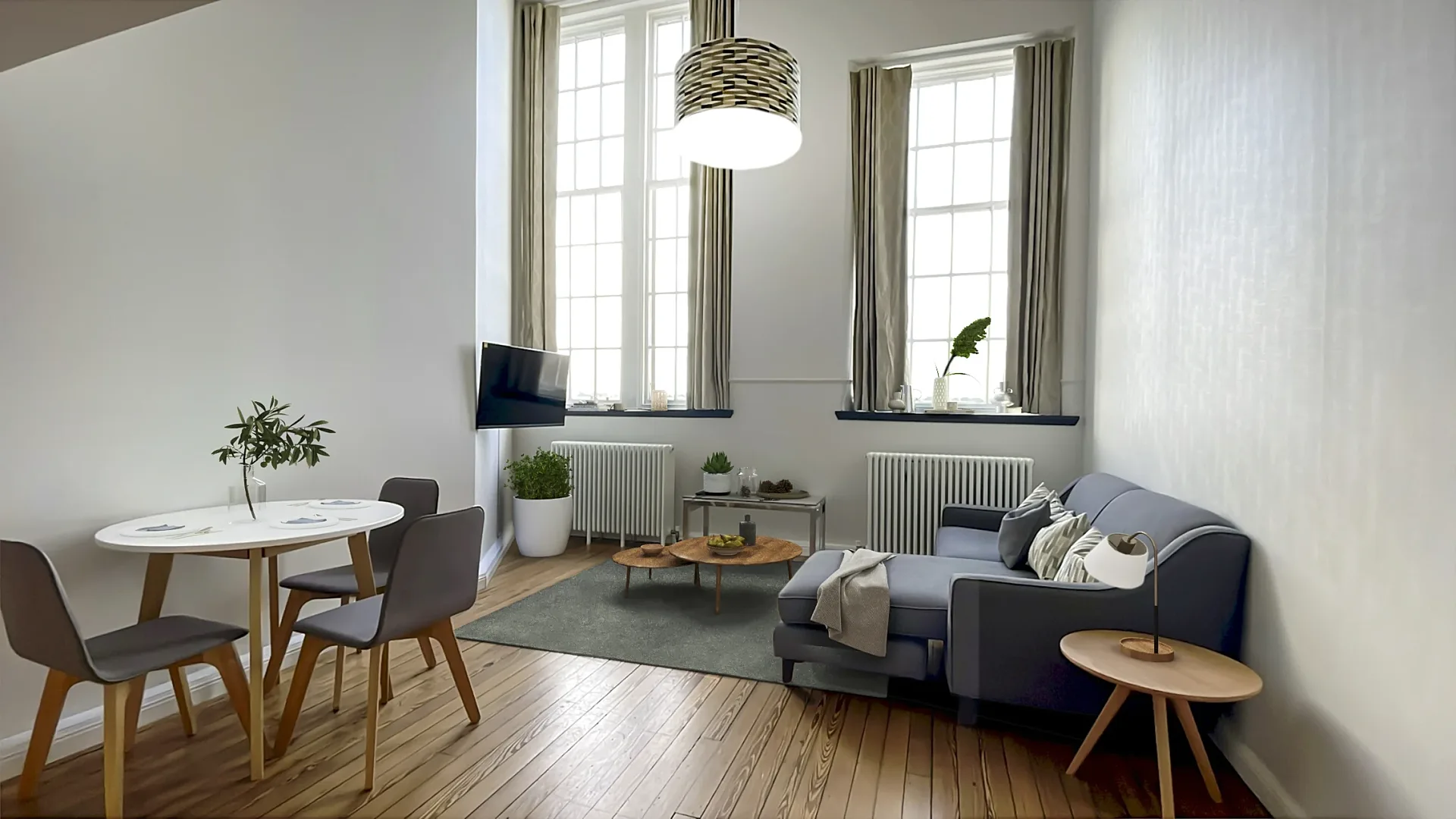
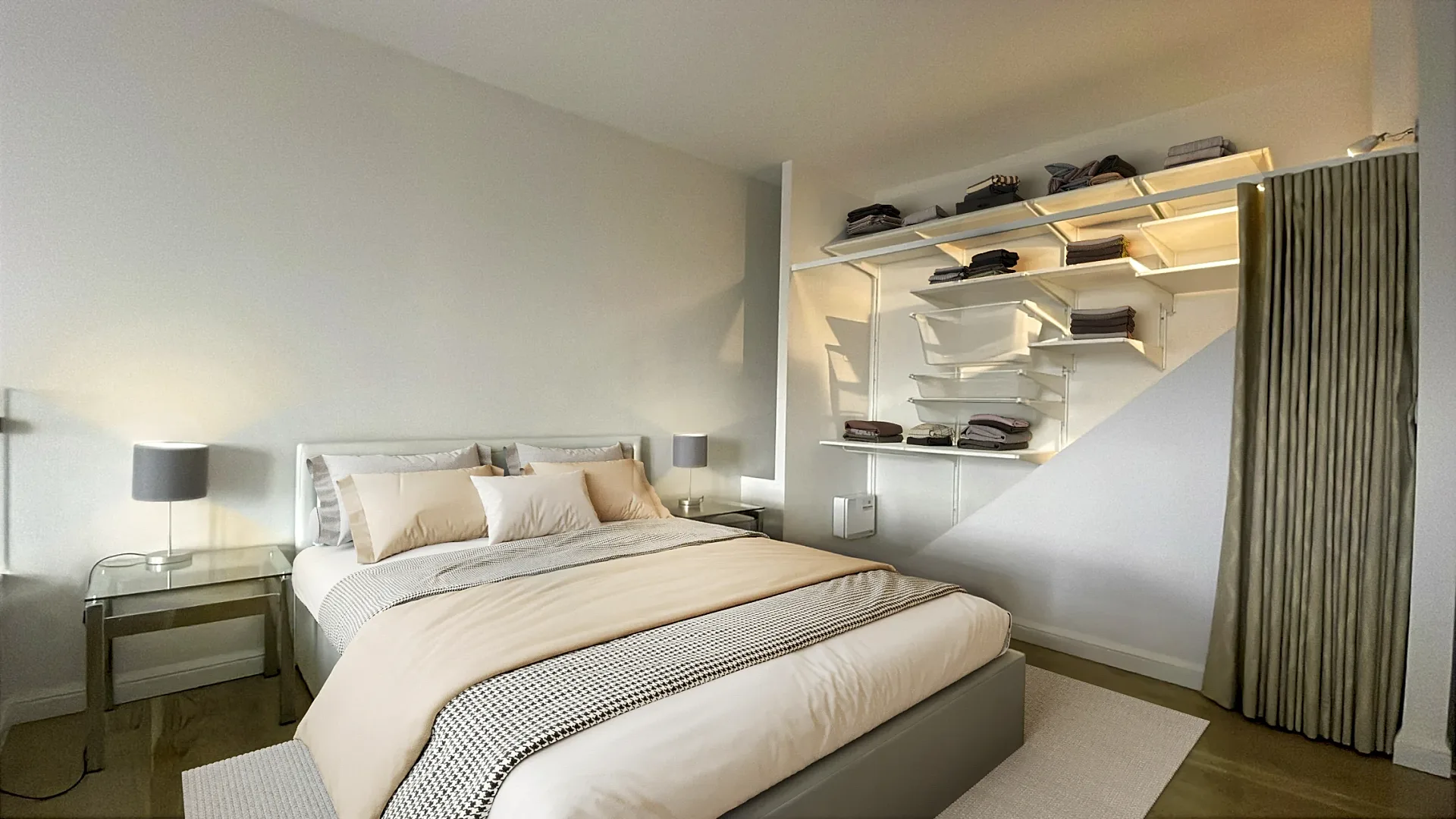
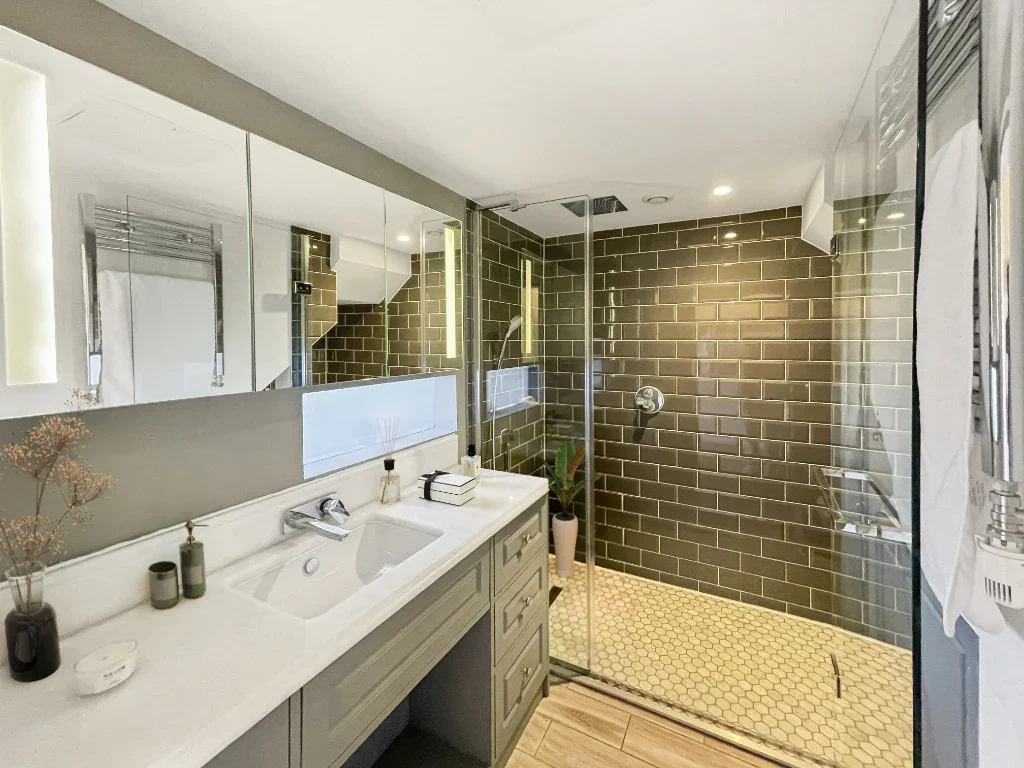
Part-furnished lets need a lighter touch. Where furniture comes with the tenancy it has to stay in the photograph, because it is what the tenant will actually receive, so we style around it with rugs, cushions, throws, lamps, a laid table and plants. The room then looks lived in without misrepresenting what comes with it. That was the approach on a build-to-rent trial in our portfolio, where dressing was layered over the operator's own furniture in a living room, a bedroom and a bathroom, nothing was hung on walls the tenancy rules kept bare, and every light was switched on in the final images.
Keeping staged listings honest on Rightmove and Zoopla
A staged photograph is a marketing image, and buyers and tenants should be able to tell that it shows a suggestion rather than the contents of the property. We recommend that every listing using virtual staging says so, in the description, in the image caption or with a discreet note on the image itself, and that the empty photograph of each room appears next to the staged one. It is simple good practice: it protects the agent's reputation and avoids disappointment at the front door.
We also leave the room itself alone. We do not alter walls, windows, flooring, ceilings, fitted kitchens or bathrooms, the view from a window or any defect in the property; everything we add is movable furniture and dressing that a buyer could bring in themselves. Showing a proposed refurbishment, such as a new kitchen or a knocked-through wall, is a different product, and it belongs in the listing as a design idea rather than as the home for sale.
Staged images upload to the major portals, your own website and social posts exactly like any other listing photograph. We supply them landscape by default, at the size you work to.
Virtual staging for lettings and build-to-rent
Lettings move quickly, and a flat photographed empty between tenancies can look cold on the portals. Staging gives prospective tenants a sense of scale, shows where a double bed and a desk will fit, and lets a small second bedroom read as a usable room. Landlords with several similar flats can reuse one staged set per layout across listings, provided each listing makes clear which photographs show that particular flat and which are representative of the layout.
Build-to-rent operators face a different problem: dozens or hundreds of apartments in a handful of layouts, often let before the show flat is dressed, and amenity spaces that look bare in early photographs. We stage each layout to the operator's brand and furniture package, so the images reflect what residents will actually be offered rather than an unrelated style. Residents' lounges, co-working rooms and roof terraces can be staged in the same style, so the building reads as one product. Where the building is still under construction and there is nothing to photograph, staging is not the right tool, and a full 3D render built from the drawings takes its place.
Vacant, probate and newly instructed properties
Some homes are nearly always marketed empty. Probate sales, repossessions, investment flats sold with vacant possession and houses whose owners have already moved on all photograph as bare rooms, and bare rooms tend to look smaller on screen than they feel in person. Staging restores the sense of scale that furniture gives a viewer and adds a warmth that an empty magnolia room cannot. For a listing that has been live for a while with bare photographs, staged images can give it a fresh start without booking the photographer again.
Timing matters as well. Staging is most useful when the property first goes live, so we work to the 24–48 hours window to fit between the photographer's visit and the listing date. Agents with a steady flow of vacant instructions can set up a standing arrangement with an agreed house style, so each new property needs only the photographs and a note of the likely buyer. Sales progressors and lettings negotiators then have staged images ready before the first enquiry arrives, rather than adding them after a quiet fortnight.
Choosing a furnishing style for the buyer or tenant
Staging should suit the people most likely to view the property, not the taste of whoever orders it. A two-bedroom flat near a station aimed at first-time buyers or young professionals calls for something different from a family house in a popular school catchment or a period conversion marketed to downsizers. We offer a small range of house styles, from contemporary and Scandinavian to classic and warm industrial, and adjust colours and accessories to the property's own finishes so the furniture looks chosen for that room. If your agency has its own visual style, we can follow it across every instruction so your listings are recognisable at a glance.
Scale matters as much as style. We furnish to realistic sizes, so a double bed is a double bed and a sofa leaves room to walk past it, because a viewer who discovers at the door that a room is smaller than the photograph suggested is a lost sale. Staged photographs also pair well with 3D floor plans, which show the whole layout at once and let buyers check the room sizes they have just seen furnished.
Virtual staging or a full 3D render?
The two are easily confused, but they start from different places. Virtual staging begins with a photograph of a room that exists: the walls, windows, floor and light are real, and we add furniture and dressing. A full 3D render begins with drawings and builds the entire room digitally, so every surface, fitting and light source is created from the specification. That makes it the right choice for off-plan property, show-flat design and refurbishments that have not happened yet.
Staging is quicker and costs less per room because most of the image already exists, which suits resales and lettings where the property is ready to view. 3D interior rendering takes longer, but it can show anything the drawings describe, from a kitchen not yet fitted to a different time of day. If you are unsure which a property needs, send a photograph and the listing brief and we will recommend one. Looking for prices? Our page on 3D rendering cost in the UK compares staging with the other image types.
Proof
Virtual Staging projects from the portfolio
How it works
How we produce virtual staging
- 01
Send your drawings
Plans, elevations and sections in PDF, DWG, SketchUp, Revit or ArchiCAD — or a marked-up sketch. Add material schedules, finishes and any reference photos you like.
- 02
Fixed quote in one business day
You get a per-image price in pounds, the delivery date and what is included. No hourly billing and no surprises at invoice time.
- 03
Draft render for your feedback
A draft render with materials and lighting close to final, sent for your feedback before we produce the finals — so your mark-ups are about real images, not diagrams.
- 04
Revisions from your mark-ups
You mark up the draft and we work through the changes. Up to 4 revision rounds are included.
- 05
Final delivery
Finals at 4K (TIFF/JPEG/PNG) sized for print and web, typically in 5–7 business days from brief, assuming mark-ups come back within a day of each draft. Rush delivery available in 48–72 hours (rush surcharge applies).
Questions
Virtual Staging: frequently asked questions
Virtual staging starts from £95 per room. Rooms that need existing furniture removed first, or large open-plan spaces that work as more than one room, are quoted accordingly, and multi-property or build-to-rent orders are priced as a package. You get a fixed quote within one business day, before any work starts.
The first staged images come back within 24–48 hours of receiving usable photographs and a style choice. Up to 4 revision rounds are included, assuming mark-ups come back within a day of each draft. Larger orders are delivered in batches, so the first rooms can go live while the rest are finished.
No. Each room is staged by a 3D artist who places modelled furniture into your photograph and matches it to the camera angle, scale and daylight. Software helps with parts of the job, such as rebuilding a floor after furniture is removed, but every image is composed and checked by a person before it reaches you.
We recommend it. Saying so in the description or caption, and showing the empty photograph alongside, means nobody arrives at a viewing expecting furniture that is not there. It is good practice that protects the agent's reputation, and we keep the room itself unchanged, so walls, flooring, windows and fittings are exactly as photographed.
Yes. We can clear a room partly or completely, rebuild the floor and walls behind the removed items, and then stage it in a new style. Where furniture is included in a letting, we leave it in place and style around it, so the photographs still show what the tenant will receive.
A wide, level photograph taken from a consistent height, with vertical lines kept straight and the room evenly lit, gives the best result. Shots from a corner or doorway that show plenty of floor stage well. Very dark, heavily distorted or compressed images are harder, and we will tell you if a reshoot would be worth it.
Staged photographs upload in the same way as any other listing image, and we deliver them landscape at a suitable size. Check each portal's current listing rules before publishing, and label the images as virtually staged so the listing stays clear and accurate for buyers and tenants.
Where we work
Virtual Staging across the United Kingdom
The same published prices apply wherever the site is. Every project runs from your drawings by email, phone and video.
Virtual Staging is one part of our architectural visualisation work, which also covers verified views for planning applications, and we produce it for 3D rendering in London projects as readily as anywhere else in the UK.
Related services
Often ordered with this service
3D Interior Rendering
3D interior rendering for interior designers, developers and show homes.
from £225
3D Floor Plans
Rendered 3D floor plans for UK developers, estate agents and brochures.
from £395
Property CGI
Property CGIs for UK developers and build-to-rent: exterior, interior and aerial CGIs for brochures, portals and hoardings.
from £225
Get a fixed quote within one business day
Send us your plans, elevations or even a sketch. Exterior renders from £295, interiors from £225, delivered in 5–7 business days.